How can a sports bra alleviate the “embarrassment” of teenage girls during exercise?
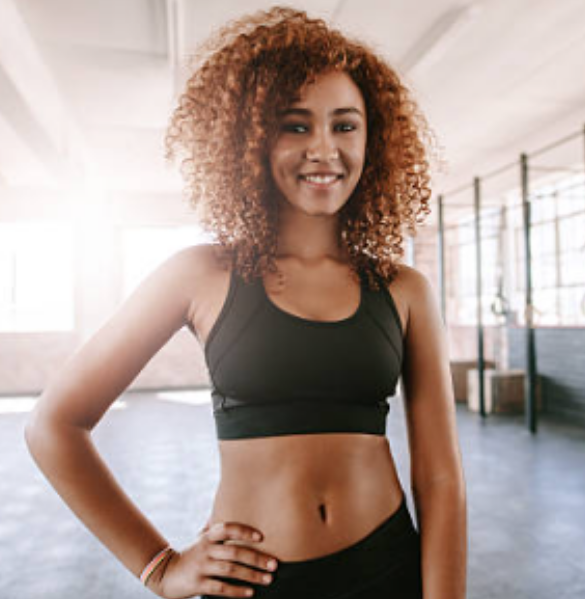
pain butIf you’re a mother of a teenage girl (tween/teen), this phrase might be familiar. Often, it’s not about physical pain, but a more subtle psychological defense mechanism. You might find that the little girl who used to run freely on the grass suddenly starts resisting running, resisting skipping rope, and even begins to slouch.
“awkwardness.”As an observer who has been deeply involved in the industry for many years, I must tell you frankly: this is often not because of laziness but because of “awkwardness”.
field butDuring the sensitive age of 10 to 14, even the slightest changes in their bodies are magnified under the gaze of their peers. Physical education class is not just a sports field, but also a brutal social arena. For them, a suitable sports bra is far more than just clothing—it is armor against embarrassment and a source of confidence that allows them to hold their heads high in public again.
Today, we won’t talk about the complex support technologies designed for marathon runners; we’ll just talk about how to choose that “invisible” entry-level gear for your daughter that eliminates any psychological burden.
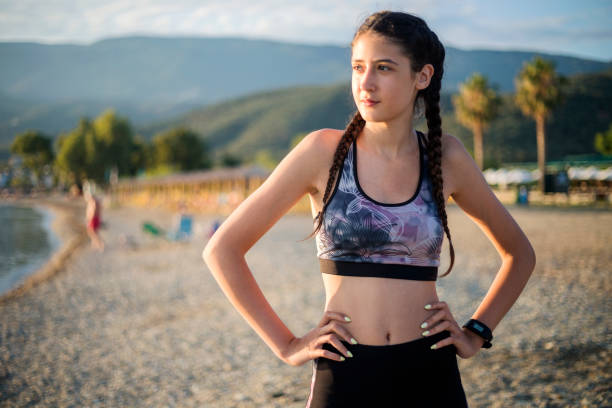
class?Why is regular underwear a disaster in PE Class?
Many mothers habitually believe that since their children are just starting to develop, a padded cotton vest or a regular teenage bra is sufficient. However, in the context of intense physical education classes, this is often the root of embarrassing situations.
In my research on adolescent sports psychology, I found that girls’ biggest fears in physical education class mainly come from two aspects: bounce and nipple protrusion.
While ordinary cotton vests are absorbent, they lack elasticity and resilience. When the physical education teacher blows the whistle to call for jumping jacks or an 800-meter run, even slight developmental changes can cause sensitive girls to feel instantly ashamed due to the swaying sensation caused by gravity. This shame can directly lead to distorted movements—she might subconsciously tighten her arms around her body or deliberately slow down her movements.
“support”Even worse, regular underwear can become see-through or clingy after sweating. For parents looking for beginner sports bras for girls, it’s crucial to realize that your goal isn’t “support,” but rather “coverage” and “a sense of security.”
A professional sports bra for teenagers needs to provide a subtle sense of compression without putting pressure on the chest. This compression doesn’t need to be as strong as that of high-intensity exercise for adults, but rather it should act like a “second skin,” firmly supporting the body and eliminating the insecurity caused by swaying.
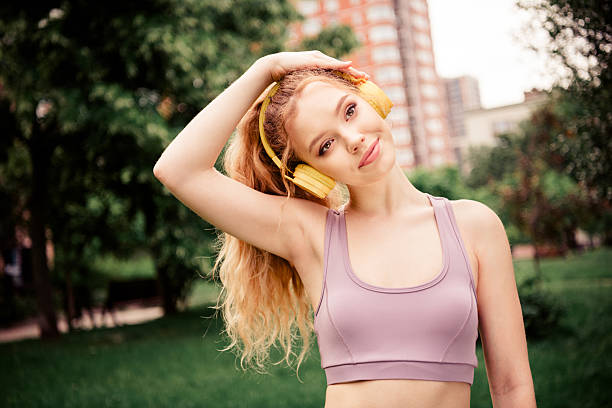
“Invisible” design: The core logic of choosing a girl’s first sports bra
When we are looking for the first sports bra for tweens, the biggest mistake we should make is to directly copy the aesthetics and functions of adults.
Girls at this stage have an intense psychological desire to “fit in” and a deep fear of being “different.” If you buy her a brightly colored, complexly designed adult sports bra with a clearly defined cup shape, she is likely to refuse to wear it, because that would be tantamount to announcing to all her classmates in the locker room, “Look, I’ve developed.”
1. Pursuing a “Vest-like” Look (The Camisole Look)
The most successful teen sports bra doesn’t look like a “bra” at all.
What you should look for is a style that’s cut more like a crop top. This design means that even if a male classmate accidentally glimpses it while changing into the school uniform in the locker room, or if it’s revealed when the hem of the uniform is lifted up during stretching, it will only look like an ordinary sports undershirt, thus greatly reducing the girl’s psychological defense mechanism.
2. The “Modesty & Concealment” Pain Points That Must Be Addressed
This is a crucial point that many sports bras for PE classes overlook. The environment of school physical education classes is often mixed-gender, and school uniform T-shirts are usually quite thin.
A good sports bra for young women must come with removable modesty pads. Please note that these pads are not for “gathering” or “making the breasts appear larger” (this is a complete no-no), but rather for smoothing the contours and preventing embarrassing nipple protrusion caused by cold air or friction.
This pad must be thin and breathable enough that it doesn’t feel heavy like two soaked sponges after vigorous exercise and sweating. This is especially important during summer physical education classes.
3. Noise-absorbing technology in the fabric
You may not have noticed, but cheap synthetic fabrics make a “rustling” sound when rubbing against each other during exercise. For extremely sensitive teenage girls, this sound is a nightmare.
Lycra andChoosing a fabric blend with a high proportion of spandex or Lycra, and a brushed finish on the side in contact with the skin, this sports bra feels as soft as cotton while also being moisture-wicking. When she wears it, she can barely feel its presence—this is what’s known as “sensory invisibility.”
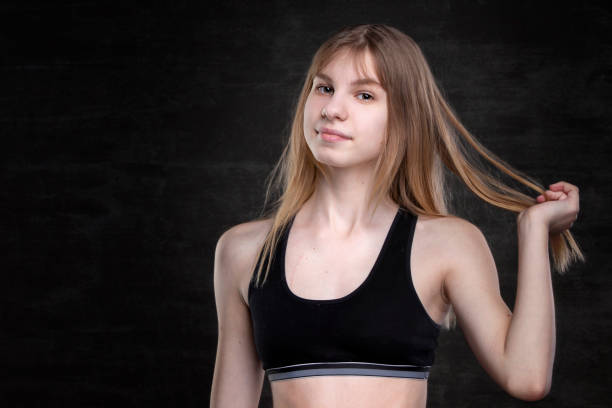
Mom’s Tactics: How to Define a Sports Bra as an “Upgraded Gear”
The purchasing process itself is also a psychological game.
now;Many girls refuse to wear girls’ beginner sports bras because they resist acknowledging the changes in their bodies. If you use phrases like “You’re all grown up now, it’s time to wear a bra,” it’s easy to trigger a rebellious reaction.
As an industry observer, I suggest that mothers change their perspective: define it as a professional “gear” rather than “lingerie.”
uncomfortable.”Just like you need shin guards for soccer and wristbands for tennis, you need a sports bra to improve your performance in PE class. You can guide the conversation like this: “I see that the sweat on your back always sticks to your clothes when you run, which is uncomfortable. This sports bra made with the same fabric as Nike/Adidas will make your run easier.”
This “functionally oriented” rhetoric effectively bypasses girls’ shame about the topic of “development,” making them accept the first sports bra for tweens as a matter of course.
Common purchasing mistakes and tips
There are a few common pitfalls to watch out for when browsing shopping lists:
- design toMyth 1: Pursuing overly thin shoulder straps
While thin bra straps may look nice, they tend to slip during running and jumping, causing girls to frequently reach out to adjust them during PE class—a truly embarrassing situation. Sports bra straps should be wide enough or feature a racerback design, to ensure they remain firmly in place during any vigorous movement.
- AbsolutelyMyth 2: Buying models with underwires or rigid support
Absolutely prohibited. The mammary glands during puberty are extremely delicate, and any form of pressure can negatively impact their health. Sports bras worn during this stage must be wire-free and fully elastic.
- TeenagersMyth 3: Ignoring the location of seams
Teenagers have delicate skin, and rough overlock seams can easily cause chafing after sweating. Check the seams under the armpits and around the waist for smoothness, and it’s best to choose products with seamless knitting technology.
Looking back on our own adolescence, we may have all had moments when we were too afraid to sprint at full speed in PE class because of our bouncing breasts, or days when we slouched because we were worried about our bra showing.
With today’s technological advancements, our daughter should not have to go through this ordeal again.
A suitable, invisible, and comfortable sports bra not only solves the physical support problem, but more importantly, it relieves the psychological burden. When she no longer worries about accidental exposure or bouncing, she can forget her physical embarrassment in the sunlight and rediscover the confident self that runs in the wind.
If you notice your daughter has recently become resistant to physical education classes, don’t rush to scold her. Take a look at her wardrobe; perhaps what she’s lacking is simply this “invisible” sense of security.
FAQ: Frequently Asked Questions about Choosing Sports Bras for Teenage Girls
pre-schoolQ1: At what age should children start wearing sports bras for pre-class children?
There is no fixed age standard; it depends on physical signals. If your daughter starts complaining of chest pain when running, or you observe her unconsciously crossing her arms or hunching her shoulders while exercising, or experiencing discomfort from her nipples rubbing against her clothes due to sweat, this is the best time to introduce a sports bra for PE class, which usually occurs between the ages of 9 and 12.
Q2: Do girls who are just starting puberty have to buy padded girls’ beginner sports bras?
It is highly recommended to choose a style with removable padding. For girls beginner sports bras, the main function of padding is to prevent nipple show-through (modesty), which can greatly alleviate a girl’s social anxiety in a school setting. As she gets older or wears thicker winter clothing, she can freely choose whether or not to remove the padding.
Q3: How can I determine the size of the first sports bra for tweens without trying it on?
Teenagers use a different sizing system than adults. The best method is to measure the underchest (rib cage) and refer to the brand’s size chart. For first sports bras for tweens, it’s recommended to choose a fabric with good elasticity and a high tolerance for tightness (such as knitted fabric). If the size falls between two sizes, always choose one size larger to avoid a feeling of tightness that might make the child feel uncomfortable.