From Cotton to High-Tech: The Secret Evolution of Sports Bra Fabrics
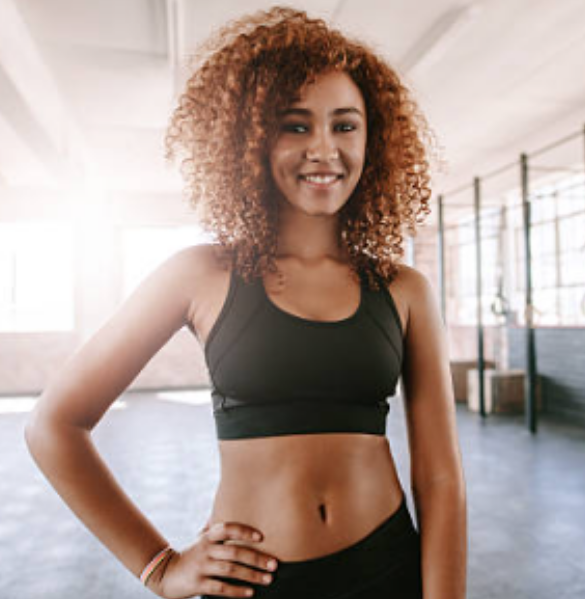
To be honest, sports bras have gone through a huge transformation in recent years—from being “simple” to now being filled with “high-tech” features. Back then, people only wanted something basic: comfortable to wear and supportive enough. But now, as more people exercise—running, yoga, strength training, cycling—each activity has different demands, and the fabric requirements for sports bras have become more diverse and advanced.
From the earliest cotton to today’s variety of functional fabrics, sports bras have gone through a real “material makeover.”
Starting Point: The Comfort and Limitations of Cotton
Before sports bras became widely popular, cotton was the most common fabric.
Pros:
Natural material, comfortable to wear, and breathable.
Strong sweat absorption, great for light activities.
Very skin-friendly, especially for sensitive skin.
Cons:
Absorbs but doesn’t release sweat—once you sweat a lot, cotton soaks it all in and sticks to your skin.
Lacks elasticity, easily loses shape, poor support.
Gets stretched out over time, not suitable for high-intensity workouts.
In short: cotton sports bras are fine for light activities or casual wear, but once you step into the gym or go for a run, they quickly become a “dragging anchor.”
The Arrival of Functional Fibers: Polyester
When people realized cotton couldn’t handle high-intensity exercise, polyester entered the scene. Today, it’s one of the most common synthetic fibers in sportswear.
Pros:
Excellent moisture-wicking, moves sweat away quickly.
Lightweight, durable, holds its shape better than cotton.
Long-lasting, resistant to wear and frequent washing.
Cons:
Not as soft as cotton—can feel a bit “stiff” at first.
Without proper ventilation design, it can feel hot.
Static electricity in winter (“zap zap” when you take it off).
Summary: Polyester was the turning point—it pushed sports bras toward true performance wear, combining support with dryness during workouts.
The Upgrade: Nylon
Soon after, nylon became a must-have in higher-end sports bras. Compared to polyester, it’s finer and feels better to the touch.
Pros:
Lightweight, no burden when wearing.
Softer feel, almost like cotton but more durable.
Great elasticity, supports a wide range of movements.
Quick-drying, absorbs and evaporates moisture fast.
Cons:
More expensive than polyester.
In hot and humid conditions over long periods, it may yellow or age.
Why it matters: Nylon brought comfort to a whole new level—it combined functionality and a pleasant skin feel. Many women realized for the first time: “Wow, sports bras can actually feel this good!”
The Elastic Hero: Spandex
When it comes to the “soul” of sports bras, Spandex (a.k.a. Lycra/Elastane) is the star. It’s rarely used alone but is blended with polyester or nylon.
Pros:
Insanely stretchy—can stretch 5–7 times its length and bounce back.
Excellent fit, hugs the chest and provides stable support.
Snug but not restrictive, allowing full freedom of movement.
Cons:
Poor resistance to heat and sunlight—don’t leave it baking in the sun.
Low moisture absorption, needs other fibers to balance.
Bottom line: Almost every professional sports bra contains spandex. Without it, you wouldn’t get that support + fit combo.
High-Tech Fabrics: Taking It to the Next Level
As fitness culture exploded, brands began racing to develop “black tech” fabrics, pushing sports bras into a new era.
Examples:
Cooling fibers
Perfect for summer workouts—quickly dissipates heat.
Moisture-wicking and fast-drying, prevents stickiness.
Antibacterial fibers (like bamboo or silver ion fabrics)
Naturally antibacterial, reduces odor.
Great for long training sessions.
Eco-friendly recycled fibers
Made from plastic bottles or fishing nets, sustainable and functional.
More brands are using this to combine performance with eco-consciousness.
3D seamless knitting
Fewer seams, less friction.
More body-conforming and evenly supportive.
These innovations turned sports bras from “functional products” into “tech products.”
Matching Fabric to Activity
Different sports = different needs = different fabric choices.
Low-intensity (yoga, Pilates, daily wear):
Cotton or nylon + spandex blends, focusing on comfort and stretch.
Medium-intensity (gym, dance, aerobics):
Polyester + spandex, for quick-drying and stable support.
High-intensity (running, HIIT, sports):
Nylon blends + high-tech fibers (Coolmax, antibacterial fabrics) for dryness and support.
Outdoor endurance (hiking, cycling):
Eco-functional fabrics + antibacterial fibers, for long-lasting comfort.
In one line: There’s no “best fabric”—only the one that fits your workout.
Suitable Scenarios for Different Fabrics
Different sports come with different needs, and fabric choices matter a lot.
Low-intensity workouts (yoga, pilates, daily wear):
Cotton, or nylon blended with spandex—focuses on comfort and fit.
Medium-intensity workouts (gym, dance, aerobics):
Polyester + spandex—quick-dry, sweat-wicking, and stable support.
High-intensity workouts (running, HIIT, ball games):
High-percentage nylon + functional fibers (Coolmax, antibacterial fabrics)—keeps you dry and supported.
Outdoor long-duration activities (hiking, cycling):
Eco-friendly performance fabrics + antibacterial fibers—comfortable and durable.
In short: there’s no “best” fabric, only the most suitable one.
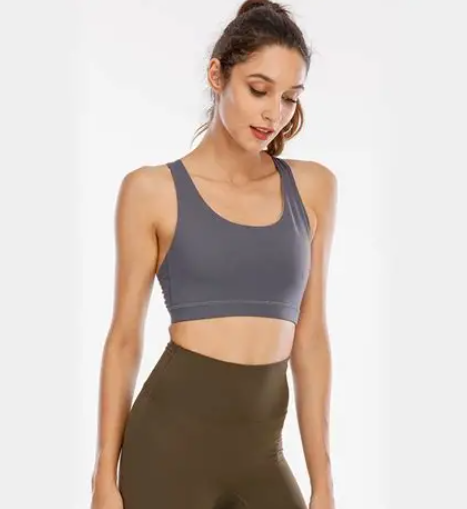
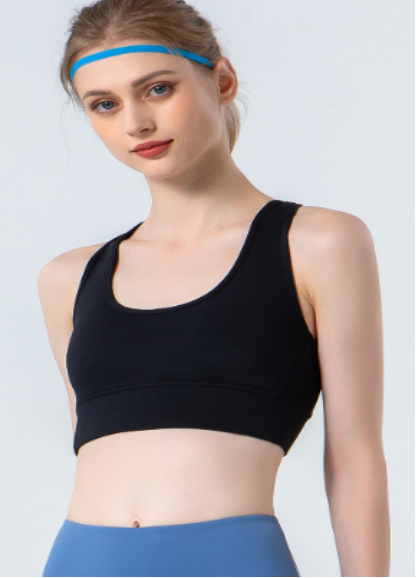
Speaking of which, let me quietly recommend my current favorite: the yoga sports bra–racerback quick-dry crop top. It’s made with quick-dry fabric, so no sticky sweat feeling; it wicks moisture effectively and keeps you fresh even after an intense workout. Plus, it has added stretch fibers, so even with big movements there’s no discomfort. Honestly, it’s also perfect as a casual crop top for everyday wear.
FAQs About Sports Bras
Q1: Memory foam straps or regular straps?
A: Memory foam straps distribute pressure better, ideal for high-intensity workouts.
Q2: Do sports bras need underwire?
A: Not really. High-support fabrics without underwire are actually more comfortable.
Q3: How often replace sports bra?
A: Every 6–12 months. Elasticity wears out over time.
Q4: Memory foam padding vs regular padding?
A: Memory foam molds better to your shape, more breathable, less stuffy.
Quick Tips for Choosing Sports Bras
Check the fabric label: Polyester + spandex = standard; nylon + high-tech fibers = premium.
Fit test: Should hug but not squeeze; straps shouldn’t leave marks.
Match to workout: Running = high support; yoga = comfort.
Don’t chase price tags: Expensive doesn’t mean better—function matters more.
Final Take: Fabric Upgrades = Better Workout Experience
From early cotton to today’s high-tech blends, the journey of sports bras reflects the rising expectations of active women.
Back then: just wanted comfort.
Later: demanded support and sweat management.
Now: seek technology, sustainability, and style all in one.
So next time you shop for a sports bra, don’t just look at the color or design. Touch the fabric, check the label, and think about your workout habits.
Believe me—choosing the right fabric will instantly upgrade your fitness experience.
Take the yoga sports bra–racerback quick-dry crop top as an example: it keeps you dry, supported, and stylish, whether you’re at the gym or lounging at home.
Because at the end of the day, a great sports bra doesn’t just help you move—it makes you feel amazing, both during your workout and when you look in the mirror thinking: “Wow, fitness can be this cool.”