Not Every Sports Chest Is the Same: Who’s Designing for Real Bodies?
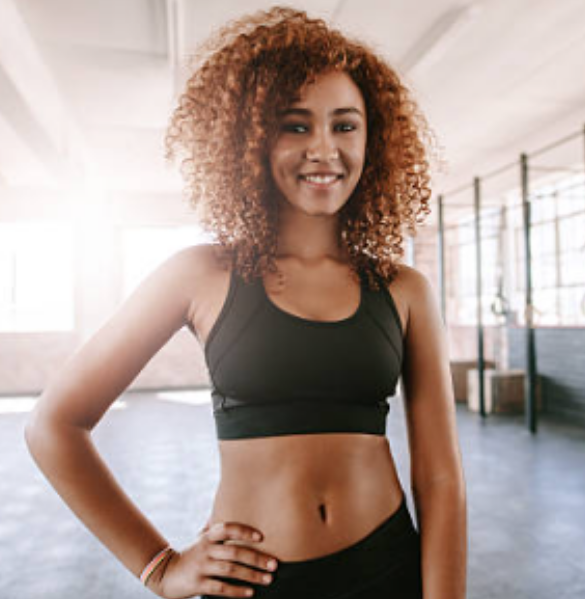
When it comes to buying a sports bra, many women have had the same frustrating experience — it feels supportive when you first put it on, but two steps into your run and you’re gasping for air. Or it’s so loose that everything shifts around the moment you start moving.
What’s worse, many brands design for a single “ideal” bust shape, ignoring the real diversity of breast shapes, sizes, and movement styles in everyday women.
Today, let’s talk about why not every sports chest is the same, what a sports bra designed for real bodies should look like, and how to measure yourself for the right fit.
1. The Difference in Breast Shapes and Movement Needs Is Bigger Than You Think
Most sports bras on the market are designed around a “standard” bust shape. In reality, everyone’s chest is different:
Fuller on top vs. fuller underneath: Top-heavy chests need more support up high to prevent sagging; bottom-heavy chests need a stable underband.
Wide-set vs. close-set: Wide-set breasts tend to move side-to-side during exercise, while close-set breasts need to avoid central compression.
High-impact vs. low-impact sports: Running and HIIT require firm,high support sports bra; yoga and Pilates need softer, more flexible fits.
If a sports bra design doesn’t account for these differences, the result is simple — some women feel great in it, while others feel like they’re wearing a “torture device.”
2. The Blind Spot in the Market: The One-Size-Fits-All “Ideal Body”
Many sportswear brands start their design process by picking an idealized model — usually with a fixed cup size and breast spacing — and design everything around her.
This causes a few key problems:
Larger busts get ignored: Not enough support, leading to discomfort and even pain during runs.
Smaller busts get ignored: Forced to size down for a “secure” feel, leading to over-tightness.
Special needs get ignored: Nursing mothers or women with asymmetrical breasts often struggle to find a comfortable fit.
This “one-size-fits-all” approach means sports bras become “perfect for some, a compromise for others.”
3. What a Sports Bra for Real Bodies Should Have
To truly work for women of all shapes, a sports bra should be flexible and inclusive:
Multiple support levels: Light, medium, and high support for different activities.
More than S/M/L: Precise band and cup combinations for a tailored fit.
Adjustable features: Straps and underbands that can be customized for your shape.
High-stretch, breathable fabrics: Support without sacrificing comfort.
Only then can it work for both a small, firm bust and a large, soft bust — and everything in between.
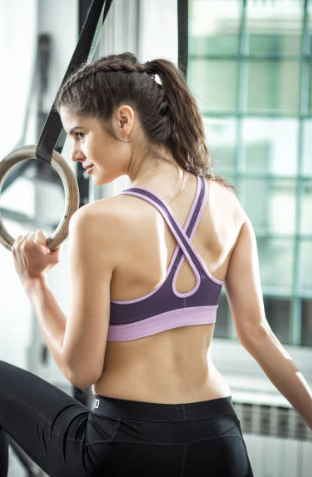
4. Is Your Sports Bra Really the Right Fit? Quick Self-Check
If your current sports bra meets most of these, you’ve probably found the right one:
Minimal bounce during exercise, without restricting breathing
Underband stays snug without leaving deep marks
Straps stay in place without digging into your shoulders
No “wardrobe malfunction” risk when bending or jumping
Easy to put on and take off — no wrestling required
If it fails these tests, the issue might be with support level or sizing.
5.How to size a sports bra?
Many women simply use their everyday bra size when shopping for sports bras — but that’s not always accurate, because sports bras are built differently. Here’s how to measure:
(1) Measure your underbust
Wrap a soft tape measure around your ribcage, just under your bust. Keep it level and snug, but not too tight.
Example: 78 cm → choose a sports bra band size 75 or 80.
(2) Measure your bust
Measure around the fullest part of your bust, keeping the tape level.
Subtract underbust from bust measurement to find your cup size (use a standard bra size chart).
(3) Match support level to activity
Running, HIIT, high-impact cardio: High-support styles (wide straps, firm underband)
Yoga, Pilates, daily wear: Medium or low support styles (soft, stretchy fabrics)
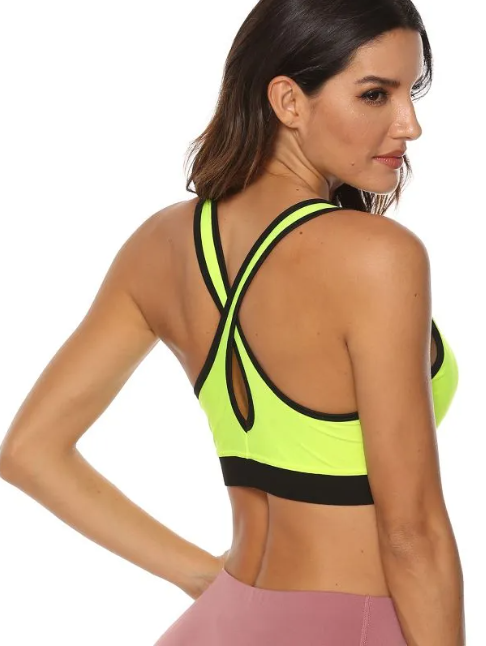
You can try new european & american style crisscross racerback sports bra — they’re supportive and breathable.
(4) Test it in motion
Raise your arms — the bra should stay put
Take a deep breath — no painful tightness
Jump or bend — no “squashing” or gaping cups
6. Comfort Comes First
A sports bra’s job isn’t just to hold your bust — it’s to hold your confidence.
You shouldn’t have to choose between looking good and feeling comfortable. And you definitely shouldn’t be trapped by one “standard body” design.
The best sports bra will let you run, stretch, work, or lounge at home without even noticing you’re wearing it — while keeping you supported the whole time.