
Many women head home after a workout with a little annoyance — a dull ache or heaviness in the chest, sometimes even a pulling sensation during a run.
You might think it’s just because your workout was too intense, but in reality, this could very well be breast tissue strain.
Today, let’s talk about why this happens and how to prevent it.
1. Why Does Breast Tissue Strain During Exercise?
Unlike your arms or legs, your breasts don’t have firm muscles for support. Instead, they rely on skin and a structure called the Cooper’s ligaments to maintain their shape.
When your breasts bounce up and down or side to side during exercise, these ligaments are repeatedly stretched and pulled.
Over time, this can lead to:
Short-term symptoms: soreness, swelling, mild stinging pain
Long-term effects: sagging, ligament laxity
Severe cases: small blood vessel rupture causing bruising
In short: Breasts without stable support are like passengers without seat belts — maybe fine at first, but repeated jolts will eventually cause damage.
2. Why a Sports Bra Is a Game-Changer
Research shows that a regular bra during high-impact workouts can only reduce breast bounce by about 38%.
A high-support sports bra, on the other hand, can reduce bounce by around 78% — almost double the protection.
Benefits of wearing a sports bra:
Reduces ligament stretching → delays sagging
Eases discomfort during workouts → makes running and jumping more comfortable
Distributes pressure evenly → reduces shoulder and neck strain
Improves performance → no more distractions from constant bouncing
Think of a sports bra not just as gear, but as armor for your breasts.

3. Common Sports Bra Mistakes
Running in a regular bra
Regular bras are made for looks, not bounce control — support is limited.
Choosing only by looks
A sports bra should be attractive, but support is non-negotiable.
Wearing the same bra for a year
Elastic wears out with use and washing. Replace every 6–12 months.
Not changing after workouts
Sweaty bras trap heat and moisture, which can encourage bacteria growth. Change right after exercise.
4. How sports bra should fit?
Some think buying a smaller size means more support, or going bigger means more comfort — but both ideas can cause problems.
A well-fitted sports bra should meet these 5 rules:
Firm underband without digging in
You should be able to slip two fingers under the band comfortably.
Full cup coverage
No side or top spillage during movement, no “wandering” inside the cup.
Secure, non-slipping straps
Straps should lie flat without leaving deep marks; adjustable is best.
No pain points or rubbing
Jump or stretch when trying it on to check for pinching or chafing.
Match support to your activity level
Low impact (yoga, walking): light support
Medium impact (cycling, aerobics): medium support
High impact (running, HIIT): high support
5. My Personal Tip
If you run, jump rope, or do strength training regularly, invest in a high-support sports bra.
From my own experience — yes, it feels snugger than a regular bra at first, but during workouts you’ll notice how stable and comfortable your chest feels.
Especially for long runs, that “bouncing” sensation is greatly reduced, and your breathing rhythm feels more natural.
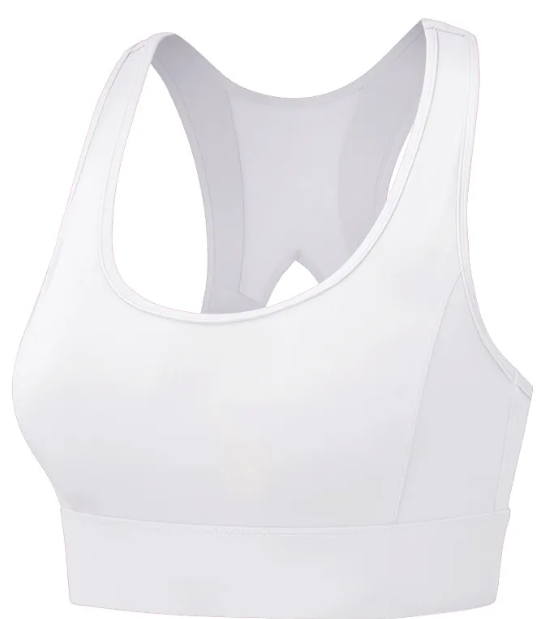
Personally, I recommend the High-Impact Support Plus Size Mesh Racerback Sports Bra for Women I’ve been using lately. It keeps my chest supported and secure during intense workouts, reducing the risk of tissue strain.
6. Summary & Action Steps
Summary:
Post-workout breast pain may be breast tissue strain.
A high-support sports bra greatly reduces ligament damage.
Finding the right fit is essential for every active woman.
Action Steps:
Check your workout gear today — if you don’t have a truly supportive sports bra, it’s time to get one.
Next time you shop, follow the 5 fit rules above for comfort and confidence.
Your breasts deserve better protection. Start with your next workout — give them the right armor.