Scientific washing and care methods to extend the life of sports bras
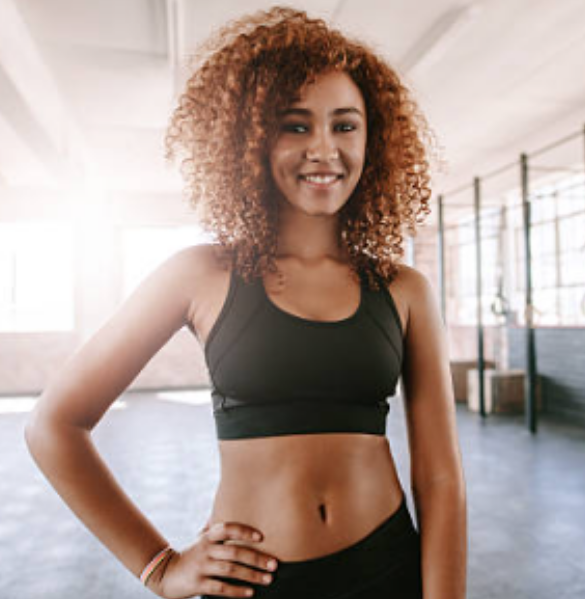
A newly worn sports bra offers stable support and a natural fit, almost becoming one with the body. However, this state rarely lasts. After a few washes, some people begin to feel the elasticity weaken, others find the underband less secure, and still others notice the shoulder straps gradually losing tension. The problem isn’t necessarily with the frequency of use; more often than not, what truly shortens the lifespan of a sports bra is the neglected details of washing and care.
Sports bras differ in structure from regular underwear, relying heavily on elastic fibers, functional fabrics, and precise tailoring. Improper washing and care can quietly damage these key properties. This article will systematically outline truly effective sports bra care tips, focusing on three core aspects: washing, drying, and storage. These tips aim to help extend support and fit, scientifically extending the bra’s lifespan rather than passively “replacing” it with frequent replacements.
Why are sports bras more prone to damage from washing?
Many people don’t realize that sports bras are one of the most “sensitive” items in their wardrobe when it comes to washing and care. The reason is not complicated.
First, sports bras extensively use spandex, elastic fibers, and high-density knit structures. These materials offer the advantage of rapid stretch recovery, but their weaknesses are also apparent: high temperatures, friction, and chemical detergents can accelerate fiber fatigue. Studies show that spandex experiences a significantly faster rate of elasticity loss in water temperatures above 40°C.
Secondly, sweat, salt, and sebum left over from exercise, if not properly removed, will continue to erode the fabric structure. Many users mistakenly believe that “it’s not that dirty, so I don’t need to wash it,” which actually leaves the fibers in a damaged environment for a long time.
In other words, sports bras don’t get worse the more you wash them; rather, “one wrong wash can cause irreversible damage.” Understanding this is the prerequisite for establishing proper washing and care habits.
Key steps to washing sports bra correctly
When it comes to washing a sports bra correctly, the most important thing is not the tools but the order and method.
The first step is to wash it promptly. Leaving your bra piled up for a long time after exercise allows the salt and oil from sweat to seep into the fibers, causing a decrease in elasticity. Even if you can’t handwash it immediately, you should spread it out to ventilate and avoid a hot and humid environment.
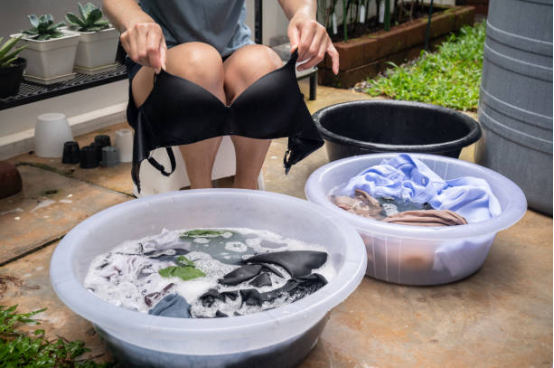
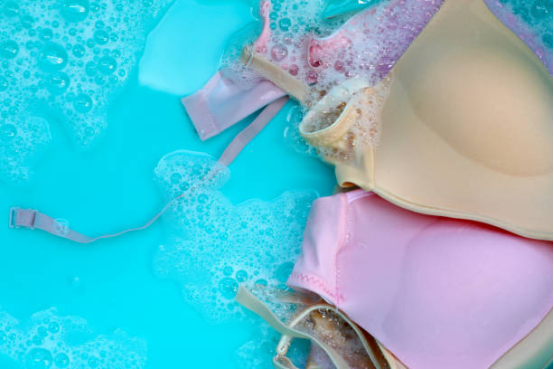
The second step is to control the water temperature and detergent. Cold or lukewarm water (not exceeding 30°C) is the safest choice. Regarding detergents, avoid highly alkaline products or those containing bleach, as these chemicals can damage the molecular structure of elastic fibers. Many laundry experts recommend using a small amount of neutral detergent to achieve the desired cleaning.
The third step is to reduce mechanical stretching. Whether hand washing or machine washing, avoid wringing. Wringing directly stretches the underbust and shoulder strap areas, and over time, this will almost inevitably lead to a decrease in support. If using a washing machine, be sure to put it in a laundry bag and select a gentle cycle.
One often overlooked detail is the lining treatment. Removable inner pads should be washed separately and air-dried naturally; otherwise, if the pads deform, even if the outer bra is in good condition, the overall fit will decrease.
The drying method determines how long the support can be maintained.
Many sports bras that look “washed badly” are actually “damaged by sun exposure.”
Direct sunlight and high-temperature drying are two major enemies of elastic materials. Ultraviolet rays weaken the fiber structure, while the high temperature and tumbling of drum drying will first damage the underband area. Industry tests show that sports bras that are frequently dried have their elastic lifespan shortened by an average of more than 30%.
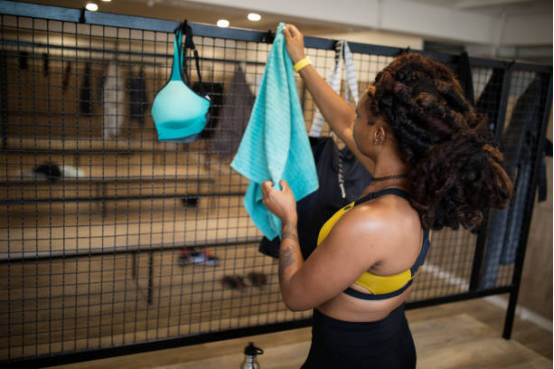
The correct way to dry it is to lay it flat or hang it naturally to air dry, avoiding putting weight on the shoulder straps. Draping the bra under the band on the clothes rack reduces the risk of the shoulder straps stretching. The drying environment should be well-ventilated and away from direct sunlight, rather than trying to dry it “as quickly as possible.”
Sports bras that maintain support for longer periods are often not made of higher-quality materials but rather have gentler drying methods.
The underestimation of the long-term impact of storage methods
Storage is the most easily overlooked aspect of extending product lifespan.
Many people habitually fold sports bras and stuff them into drawers, especially styles with fixed cup shapes or three-dimensional structures. Prolonged compression can cause the cups to collapse, reducing their elasticity and resulting in a less comfortable fit when worn.
Ideally, store them flat or folded in half to maintain the original curvature of the cups. For sports bras that are frequently rotated, maintaining some space between them helps the fibers regain their elasticity, rather than being under constant pressure.
This is why some sportswear consultants emphasize “alternating wear”: giving fibers time to recover is itself a form of maintenance.
Extending lifespan is actually protecting the body’s experience.
On the surface, washing and care issues are related to the lifespan of clothing; at a deeper level, they affect the exercise experience itself.
When the support of a sports bra decreases, the body needs to exert extra effort to maintain stability, increasing the burden on the shoulders, neck, and back. Many people mistakenly believe this is a problem with the intensity of exercise, but the real cause may be a bra that has become “fatigued.”
Mastering scientific sports bra care tips not only extends the life of your bra but also prolongs a comfortable and safe workout experience. Properly washed and cared-for sports bras tend to maintain their stability and fit even after repeated wear, rather than quietly failing to keep up.
at last
A sports bra isn’t entirely determined by its price or material but rather by the accumulation of countless small choices made during daily washing and care. Water temperature, detergent, drying method, storage habits—every seemingly insignificant action affects its support, fit, and lifespan.
The next time you find a sports bra “not as comfortable as before,” take a look at how it’s been washed and cared for. Perhaps what really needs adjusting isn’t the quantity in your wardrobe but rather your habits around the laundry basket.
Do you also have a sports bra that’s been “ruined” from washing? The answer might be clearer than you think.