Why do some sports bras feel more tiring the more you wear them?

Understanding Sports Bra Fatigue: More Than Just Muscle Soreness
In the context of sports equipment, we are used to discussing support or wicking. But have you ever had this experience: after wearing a high-intensity sports bra for a workout, not only are your muscles sore, but you also feel a strange sense of exhaustion, as if you’ve been “hollowed out”?
This phenomenon is known in sports science as “sports bra fatigue.”
This fatigue is not simply sports-related strain but rather a form of “energy drain” resulting from the conflict between unreasonable structural design and human biomechanics.
Today, we peel back the fashion veneer and delve into an engineering perspective to analyze why the wrong underwear can become your energy drain.
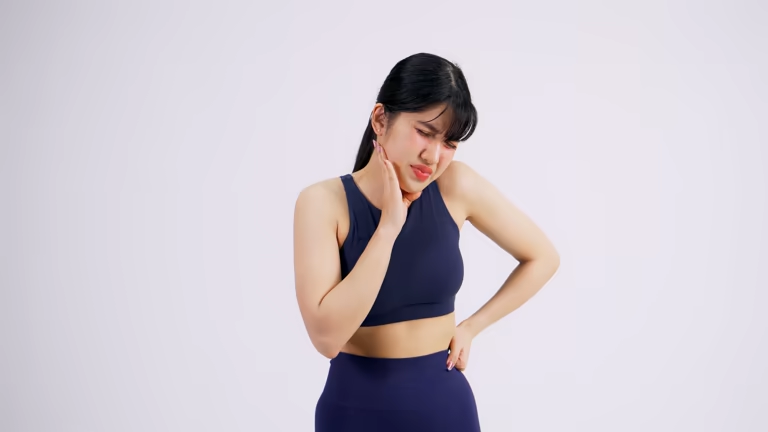
1. The Cost of Breathing: When “Compression” Becomes “Suffocation”
In pursuit of ultimate anti-shake effects, many sports bras blindly adopt high-intensity compression designs, attempting to restrict movement by pressing breast tissue tightly into the chest cavity.
However, this has a serious side effect: it restricts the natural expansion of the ribcage.
Hidden energy-consuming mechanism: During normal breathing, the ribs need to expand outward to take in oxygen. When the band or fabric elastic modulus of a sports bra is too stiff, your respiratory muscles (such as the intercostal muscles) must expend extra chemical energy to counteract this constriction.
Consequence: It’s like running with sandbags strapped to your chest. To maintain normal oxygen intake, the body has to passively increase its breathing rate. This tiny but constant “resistance” is the culprit behind your feeling of exhaustion.
2. The Battle Between Shoulders and Neck: The Incorrect Mechanical Lever
If the underband is the foundation, then the shoulder straps are the suspension cables. However, in poorly designed structures, shoulder straps often become “steel wires” that cut into soft tissue.
Postural compensation: When thin shoulder straps create excessive pressure concentration points on the trapezius muscle, the body will subconsciously shrug or round the shoulders in order to avoid pain.
Muscle overload: To maintain this unnatural defensive posture, your back muscles have to remain tense throughout. This unconscious muscle contraction is already depleting your muscle glycogen before you even begin the actual exercise.
3. The Cost of Maintaining Stability in the Nervous System
Why do some bras feel particularly tiring when you run? Because the brain is constantly performing “stability maintenance operations.”
When the structure of the sports bra disrupts the natural biomechanical flow, the brain forcibly activates accessory muscle groups to maintain balance:
Gait changes: To reduce discomfort caused by the movement of your underwear, you may subconsciously shorten your stride or stiffen your upper body.
Metabolic Surge: Studies have shown that this unnatural gait adjustment caused by equipment discomfort significantly increases the metabolic cost of exercise. In other words, you burn more energy than others to perform the same movements.

Self-Test Guide: Is Your Sports Bra “Sucking Blood”?
Here are 3 core tests you can perform during the fitting:
The Deep Breath Test:After putting on the bra, take a deep breath. If you feel significant “rebound resistance” below your ribs or are unable to inhale fully, this bra is highly likely to cause oxygen deficiency and fatigue during long-distance exercise.
Static Relief Check:If you feel an exaggerated sense of relief the moment you take off your bra, or even feel dizzy or have a stinging sensation as blood rushes back to the head, it means that it severely blocked blood circulation while you were wearing it.
Indentation Symmetry (Mark Inspection):Observe the skin indentations after exercise. Normal indentations should be shallow and even. If deep red, well-defined pits appear, especially on the shoulders or underarms, this is strong evidence of uneven pressure distribution.
From “Endurance” to “Empowerment”
Understanding the nature of sports bra fatigue allows us to shift from “enduring discomfort” to “optimizing performance.”
A good sports bra shouldn’t be an energy-draining black hole but rather a precision instrument that helps you push your limits. True support is about “suspension,” not “sealing“; it’s about letting the band bear the weight, not subjecting your shoulders and neck to torture.
Once you get rid of those unnecessary energy drains, you’ll find that exercise itself is actually lighter than you imagined.
FAQ: Frequently Asked Questions About Bra Fatigue
Q1: Why do high-support styles tend to make people feel more tired?
This is often due to overly “lazy” design. Many brands achieve high support by simply increasing the stiffness and tightness of the fabric, ignoring 3D dynamic space. This “one-size-fits-all” compression forces the body to use its auxiliary respiratory muscles. It is recommended to choose styles with an independent encapsulation structure, which can provide high support while preserving breathing space in the chest.
Q2: How to distinguish between “exercise soreness” and “underwear fatigue”?
It depends on the location.
Normal soreness: concentrated in the large muscle groups that exert force, such as the glutes, legs, and core.
Bra fatigue: It is concentrated at the top of the shoulders, the base of the neck, and between the shoulder blades, and this soreness is often accompanied by stiffness rather than congestion.
Q3: Does this energy loss affect long-term exercise?
The impact is significant. Prolonged energy drain not only reduces your endurance (making you run shorter distances) but can also solidify incorrect movement patterns (such as habitual shoulder shrugging), increasing the risk of spinal and shoulder injuries. Choosing the right gear is essentially about protecting your biomechanical assets.