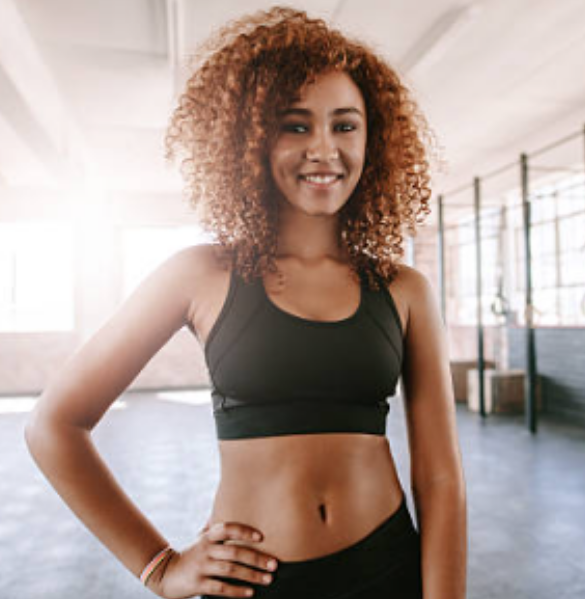
On a sweltering summer day, sunlight streams through the gym windows onto the floor, the air thick with the smell of sweat and rubber mats. Training in such high temperatures easily leaves you drenched in sweat, clothes clinging to your skin, making each squat or sprint feel incredibly heavy. In this environment, a suitable sports bra is not only essential for support but also a guarantee of comfortable and efficient training.
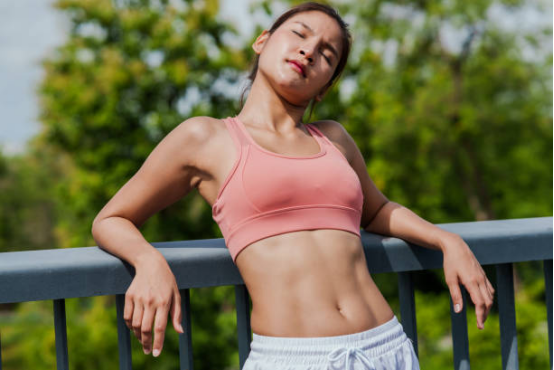
How to cope with sweat and high temperatures
During summer training, sweat becomes the biggest challenge. If sweat cannot evaporate in time, clothing will cling to the skin, increasing friction and discomfort. Modern sports bras mostly use sweat-wicking and quick-drying fabrics, such as polyester blends, which can quickly transfer sweat from the skin’s surface to the outer layer of the clothing, accelerating evaporation.
According to exercise physiology studies, wearing breathable and quick-drying sports underwear can lower skin surface temperature by an average of 1.5°C, maintain a more stable heart rate, and reduce post-workout fatigue. This also means that your core strength and endurance can maintain their output for longer in high-temperature environments without being interrupted by sweat or a sticky feeling.
Dual design of fabric and structure
Sports bras rely not only on the fabric but also on their structural design. Lightweight, supportive mesh areas increase airflow, reducing stuffiness while maintaining chest stability and preventing unnecessary movement during exercise. The shoulder straps and chest band utilize elastic compression technology to provide a snug fit and support to the chest without restricting breathing or hindering arm movement.
For example, excessive chest movement during high-intensity interval training (HIIT) or running can lead to muscle fatigue and strain. A scientifically designed sports bra, through multi-point support and proper pressure distribution, helps maintain chest stability during rapid movements, reducing discomfort and improving training efficiency.
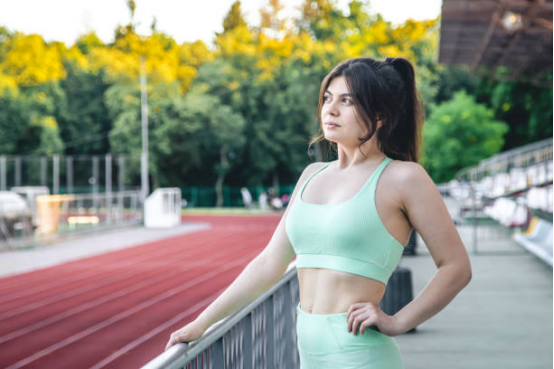
Fine-tuning strategies for training comfort
Besides fabric and construction, comfort during training is also closely related to clothing details and environmental factors. For example:
- Localized ventilation: Mesh or ventilation holes are added under the armpits and back to help sweat evaporate quickly.
- Seamless design: Reduces friction points and prevents skin redness and itching during high-temperature training.
- Elasticity should be matched to the type of exercise: soft and elastic fabrics can be chosen for low-intensity yoga or Pilates, while high-intensity running or jumping training requires a more supportive compression design.
Actual user feedback shows that these subtle adjustments significantly improve training comfort. Students and fitness enthusiasts who wear lightweight, quick-drying sports bras for outdoor runs in the summer generally report that the feeling of dry skin lasts for about 30 minutes longer, and their focus during training is noticeably improved.
Routine maintenance and sustainable use
To maintain the sweat-wicking and quick-drying properties of sports bras, regular washing and care are equally important. Avoid high-temperature tumble drying; hand washing on low heat or gentle machine washing is best to prevent a decline in the fabric’s moisture-wicking properties. Using a neutral detergent will extend the life of the elastic fibers, ensuring lightweight comfort throughout summer training.
In addition, rotating multiple sports bras allows each garment ample time to regain its shape and dry, preventing odors or fabric wear caused by sweat residue. This is also a key aspect of maintaining an efficient training experience.
Comprehensive strategies to enhance the sports experience
Choosing the right sports bra is only one part of improving comfort during summer training. Warming up before training, interval stretching, and cooling down after training are equally important. Warming up increases blood circulation and promotes sweat evaporation; interval stretching helps muscles relax and reduces discomfort caused by friction; and cooling down after training lowers heart rate and aids recovery.
Combined with lightweight, quick-drying sports bras, these strategies transform exercise in high-temperature environments from a burden into a comfortable and efficient experience. Imagine each run or jump accompanied by a dry, supportive feel; your movements will be more natural, and your training results will be more consistent.
Make summer training easier
During hot summer training sessions, the sweat-wicking and quick-drying design of sports bras not only enhances comfort but also ensures training efficiency and overall health. The fabric’s rapid moisture-wicking properties, multi-point support structure, and optimized details combine to create a comfortable workout experience suitable for high-temperature training.