Why do sports bras become loose? Understanding material aging from the perspective of “elastic fatigue”
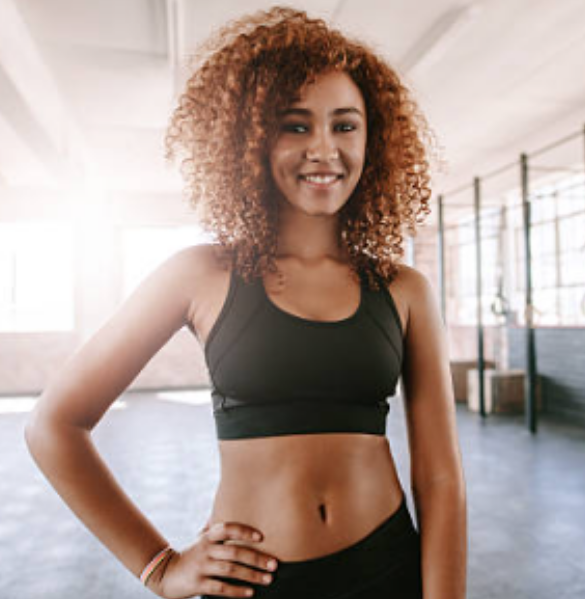
Have you ever experienced this? A sports bra that once fit perfectly and provided excellent support suddenly becomes loose and saggy after prolonged wear. No matter how many times you wash and dry it, it never regains its initial firmness. Don’t panic; this is a classic sign of “elastic fatigue.”
Prolonged stretching and sweat damage cause the fabric fibers to gradually lose their resilience. Want to extend its lifespan? Choose high-resilience fabrics and replace them regularly to ensure your sports bra maintains stable support and a comfortable fit.
From molecules to fibers: The “elastic life” of sports bras
Elasticity is actually a physical property of materials.
High-elasticity fibers like spandex and Lycra are key to the perfect fit and support of sports bras.
When these elastic fibers are stretched, the molecular chains stretch, reorganize, and recover—this is the secret behind how your bra “stretches and contracts” with your body movements every time you do yoga, stretch, run, or jump.
The problem is that these molecules can only stretch and contract a limited number of times.
Every time you put it on and take it off, wash it, sweat, or experience friction, the fiber chains are stretched to some extent. Over time, they cannot perfectly rebound, resulting in the familiar “sagging” feeling.
Simply put, sports bras also age, but the aging process is silent.
The culprits of elastic fatigue: sweat, washing and time
1. The salt and acid in sweat:
Sweat secreted during exercise adheres to fibers. The salt and lactic acid in sweat damage the molecular structure of elastic fibers , accelerating aging. This is especially true if left unwashed for extended periods after high-intensity exercise, as the effects can be likened to chronic corrosion.
2. Improper washing methods:
High-temperature washing, spin drying, and excessive sunlight exposure are the three main enemies of elastic fibers.
Many people simply throw them directly into the washing machine to save time, but the mechanical friction plus high-speed spin drying = a challenge to the ultimate stretch .
It’s not surprising that they become loose after just a few washes.
3. Natural wear and tear over time:
Even with the best care, the material itself has a lifespan .
Generally speaking, with frequent use, it’s recommended to replace sports bras every 6–9 months. Just like the air cushioning in sneakers wears out, the support of bras will also gradually decline.
The secret of the material: different fibers age at different rates
Have you ever noticed that some sports bras fall apart after two months of wear, while others can still hold up after a year?
The difference lies in the material ratio and weave structure.
1. Bras with a high percentage of spandex are more prone to fatigue.
While spandex offers excellent elasticity, it is also sensitive to heat and friction.
Some cheap sports bras, in an attempt to achieve “high elasticity,” often use excessive amounts of spandex. This creates a dramatic effect in the short term, but can lead to loosening over time.
2. Nylon blends can delay aging.
High-quality sports bras often utilize a nylon + spandex composite weave .
Nylon provides increased toughness and resilience, ensuring a stable fit and resists deformation during high-intensity exercise.
3. Seamless woven construction is more fatigue-resistant.
The seamless, one-piece design reduces stress points at seams , preventing stress concentration during washing or stretching, and extending the life of the elastic. For example, the high-support, underwire-free sports bras recently launched by many brands are based on this design principle.
How to tell if your sports bra is “elastic fatigued”?
Don’t wait until it’s completely loose before replacing it. Here are a few signs it’s time to retire it:
The lower band no longer fits snugly : The lower band, which was once firmly fixed, slides or rolls up during exercise;
The bra becomes weak : the original tight feeling disappears, and there is a slight shake when jumping;
The fabric becomes loose or wrinkled : the surface loses tension and does not feel “bouncy” to the touch;
Difficult to dry or sticky after washing : This indicates that the fiber’s water absorption capacity has deteriorated and the internal structure has been damaged.
If more than two items appear, it means that its “golden elasticity period” has ended.
Tips for extending life: care is more important than purchase
1. Hand washing at low temperature is always preferred.
Use a neutral detergent and gently scrub. Avoid wringing.
For machine washing, place the item in a laundry bag and select the “soft wash” cycle, with a water temperature not exceeding 30°C.
2. Avoid direct sunlight. Shade drying is best.
High temperatures and ultraviolet rays can cause the fibers to lose their resilience.
It is recommended to lay flat to dry to prevent the straps from stretching.
3. Regularly rotate your underwear.
Have several sports bras and rotate them around to give each fiber time to rest.
Just like muscles need to recover after exercise, so do fabrics.
4. Avoid mixing with harsh fabrics.
Washing sports bras with rough fabrics (such as jeans or burlap) can easily wear down the elastic layer and shorten their lifespan.
Why don’t high-quality sports bras get loose easily?
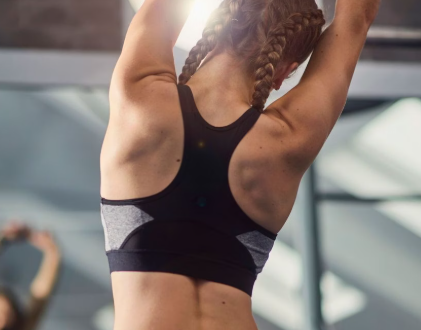
A good sports bra is not just about good stretch but also about knowing how to support and breathe .
New high-performance styles on the market (such as bras made from a blend of ice-oxygen fiber and Lycra ) are designed with the problem of “elastic fatigue” in mind:
Adopting composite fiber structure : the core fiber is responsible for support, and the outer yarn is responsible for skin contact and breathability;
Add high elastic and anti-deformation weave : even after multiple stretches, it can still rebound quickly;
Breathable, quick-drying structure : reduces sweat retention and reduces the chance of chemical corrosion.
This sports bra is perfect for everyday yoga, running, or fitness training.
It’s lightweight yet comfortable, allowing you to stretch and breathe freely.
A high-quality yoga sports bra not only keeps you comfortable and stable when stretching and twisting but also maintains long-term elasticity with daily care.
A common question: How often should I replace my sports bra?
This depends on your exercise frequency and washing habits. Generally speaking:
Exercise more than 3 times a week : It is recommended to replace it every 6 months;
1-2 times a week of light exercise: acceptable for 9-12 months;
If it starts to “sag, slide, and have no support”—no matter how long it has been there, it should be replaced.
Summary: Elastic fatigue is not “broken”; it is the natural result of hard work
It’s natural for a sports bra to become loose,just as your body fatigues during exercise, the elastic fibers in the fabric silently endure every stretch, sweat, and friction.
But the difference is that you can choose the one that understands you better.
A high-quality sports bra can not only accompany you to take one more deep breath but also protect your confidence and comfort in every training.
So, when you find that your old sports bra no longer fits you, take this opportunity to switch to a new yoga sports bra and give yourself some “bounce back” energy.
Let your body and elasticity reboot together and feel the true freedom of support.